
Optimal Timing for Demolition Services
Timing for demolition services depends on several factors including weather conditions, project scope, and local regulations. Optimal periods typically avoid extreme weather such as heavy rain or high winds, which can delay or complicate demolition work. Planning during mild seasons ensures safety and efficiency.
Demolition projects are best scheduled during dry, mild weather to prevent delays and safety issues.
Larger projects may require more planning and coordination, influencing the best timing for execution.
Permitting and regulatory approvals can impact project timelines; scheduling accordingly avoids delays.
Spring and fall often provide optimal weather conditions for demolition work.
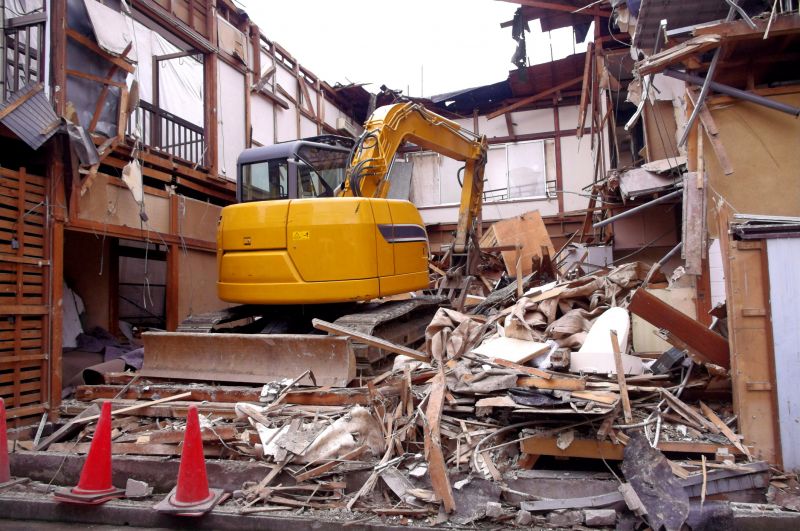
Ways to make Demolition Service work in tight or awkward layouts.
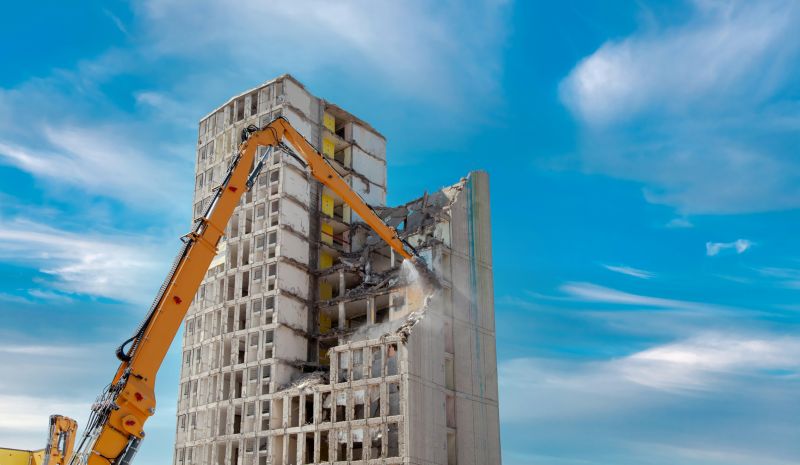
Popular materials for Demolition Service and why they hold up over time.

Simple add-ons that improve Demolition Service without blowing the budget.
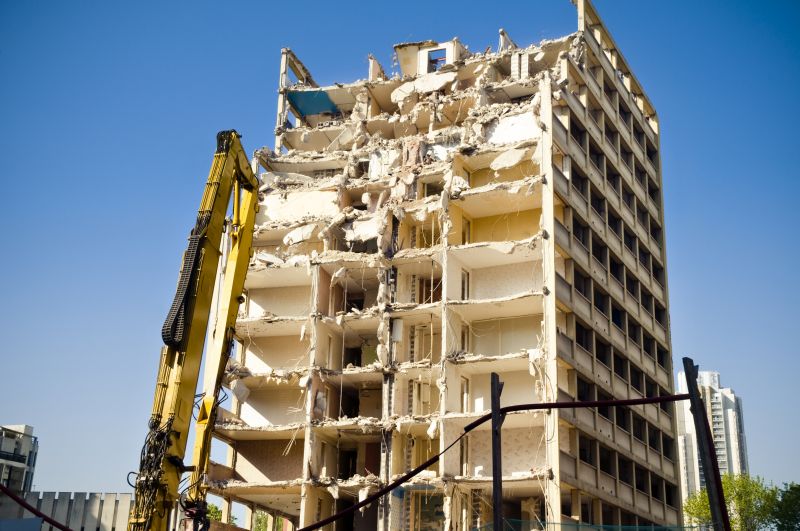
High-end options that actually feel worth it for Demolition Service.
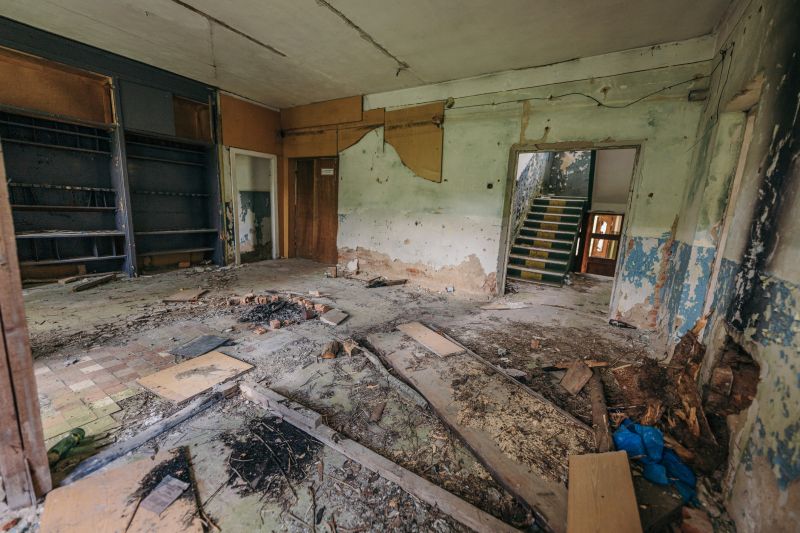
Finishes and colors that play nicely with Demolition Service.

Little measurements that prevent headaches on Demolition Service day.
Demolition services involve the careful dismantling of structures using specialized equipment and techniques. Proper timing ensures that the project adheres to safety standards and minimizes disruption to surrounding areas. Accurate scheduling can also help manage project costs and resources effectively.
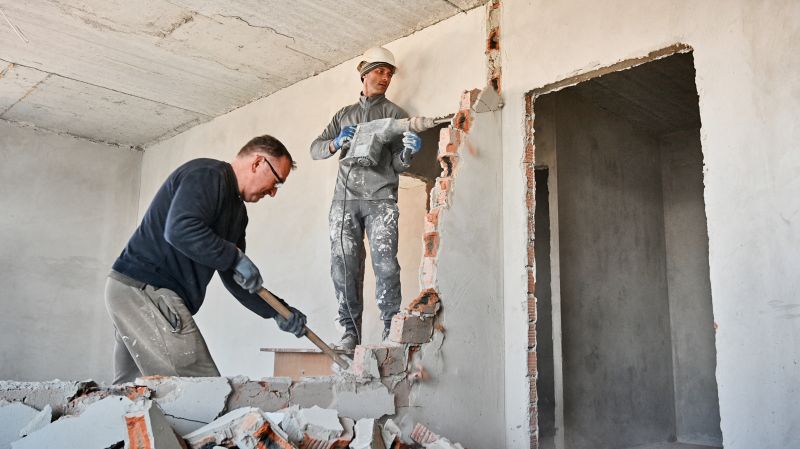
A 60-second routine that keeps Demolition Service looking new.

A frequent mistake in Demolition Service and how to dodge it.
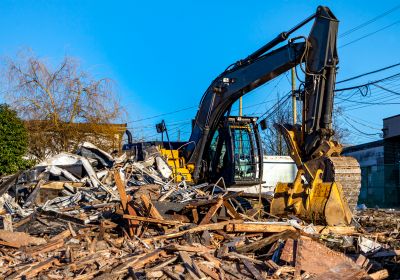
Small tweaks to make Demolition Service safer and easier to use.
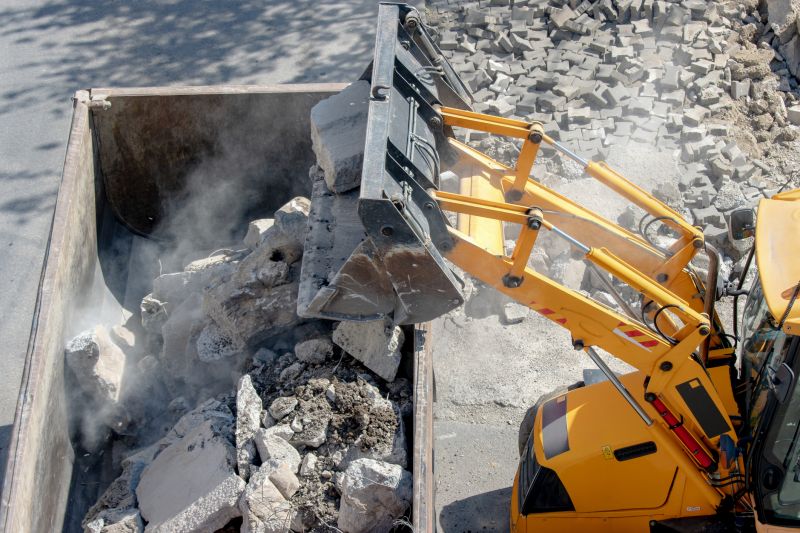
Lower-waste or water-saving choices for Demolition Service.
| Factor | Impact on Timing |
|---|---|
| Weather Conditions | Avoid schedule during heavy rain or storms |
| Project Size | Larger projects may need longer planning periods |
| Permitting Process | Allow time for approvals and inspections |
| Seasonality | Spring and fall are often ideal |
| Community Considerations | Schedule to minimize neighborhood disruption |
| Equipment Availability | Coordinate with suppliers and crews |
| Regulatory Compliance | Ensure all regulations are met before starting |
| Resource Allocation | Plan for adequate staffing and equipment |
Choosing the right time for demolition can significantly influence the safety, efficiency, and cost of the project. Proper planning considers weather patterns, project scope, permits, and community impact. Timing that aligns with favorable conditions ensures smoother execution and adherence to safety standards.

The short, realistic tool list for quality Demolition Service.
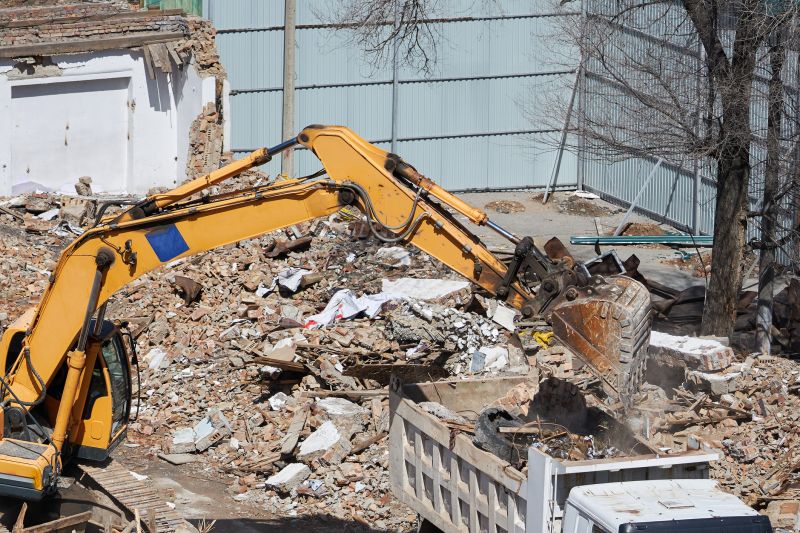
Rough timing from prep to clean-up for Demolition Service.
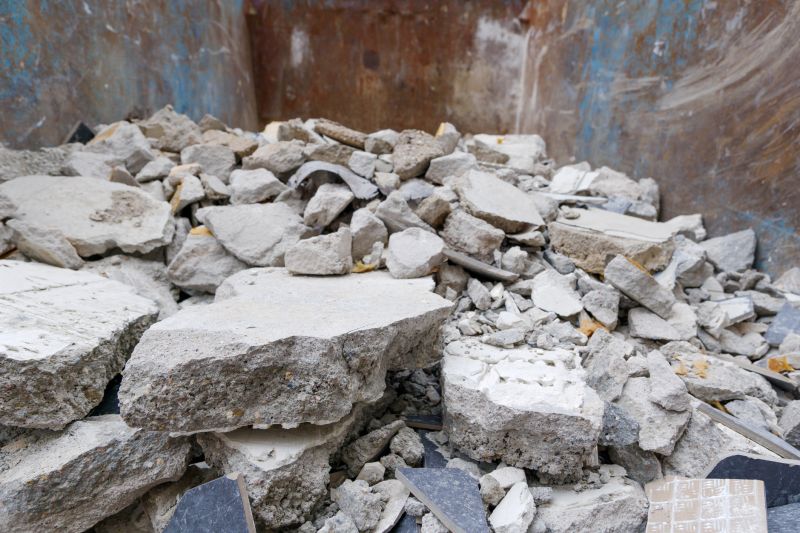
Quick checks and paperwork to keep after Demolition Service.
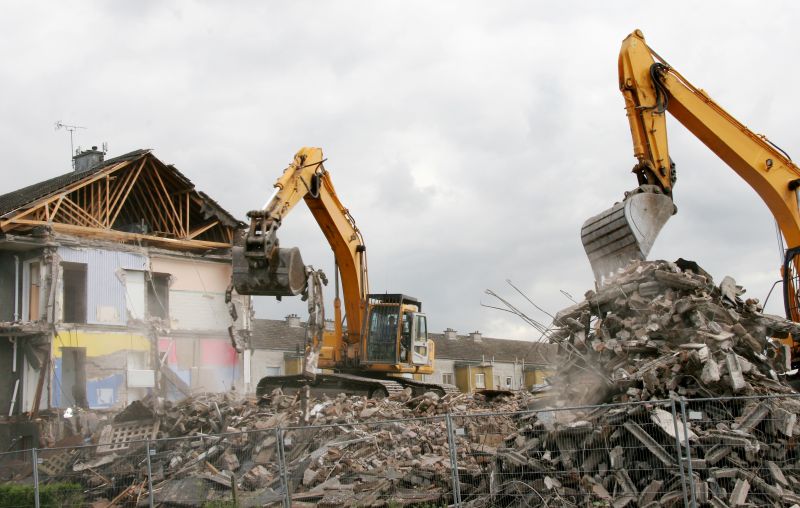
Examples that show the impact a good Demolition Service can make.
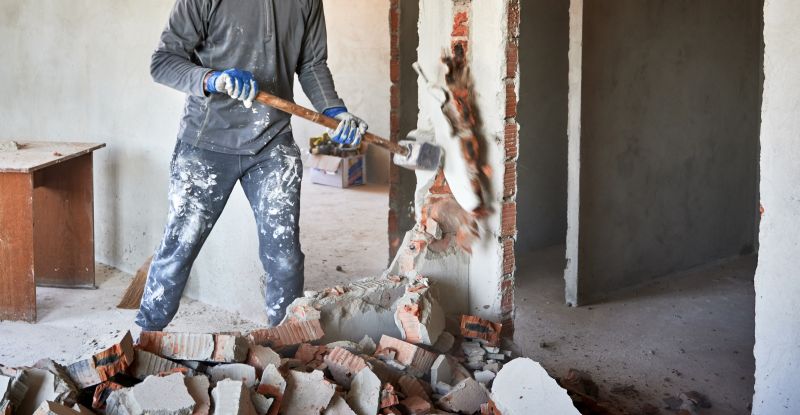
Ways to make Demolition Service work in tight or awkward layouts.
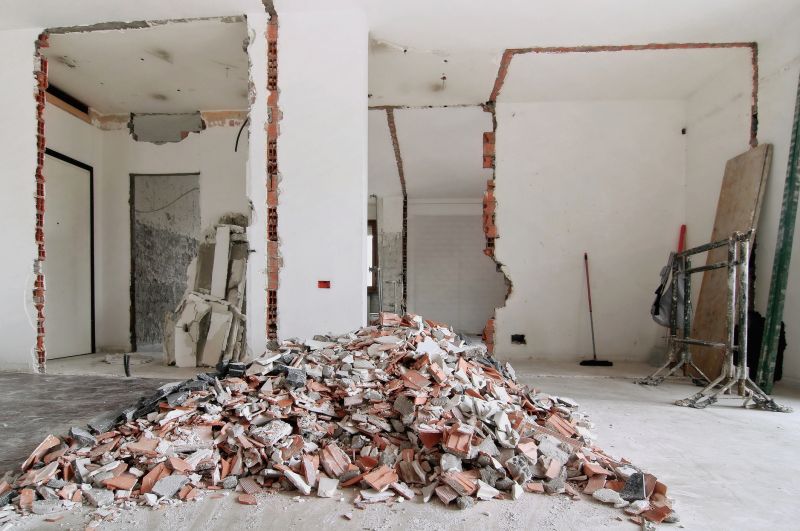
Ways to make Demolition Service work in tight or awkward layouts.
Interested in scheduling a demolition project? Filling out the contact form can help determine the best timing based on project specifics and local conditions. Proper scheduling ensures safety, compliance, and efficient project completion.